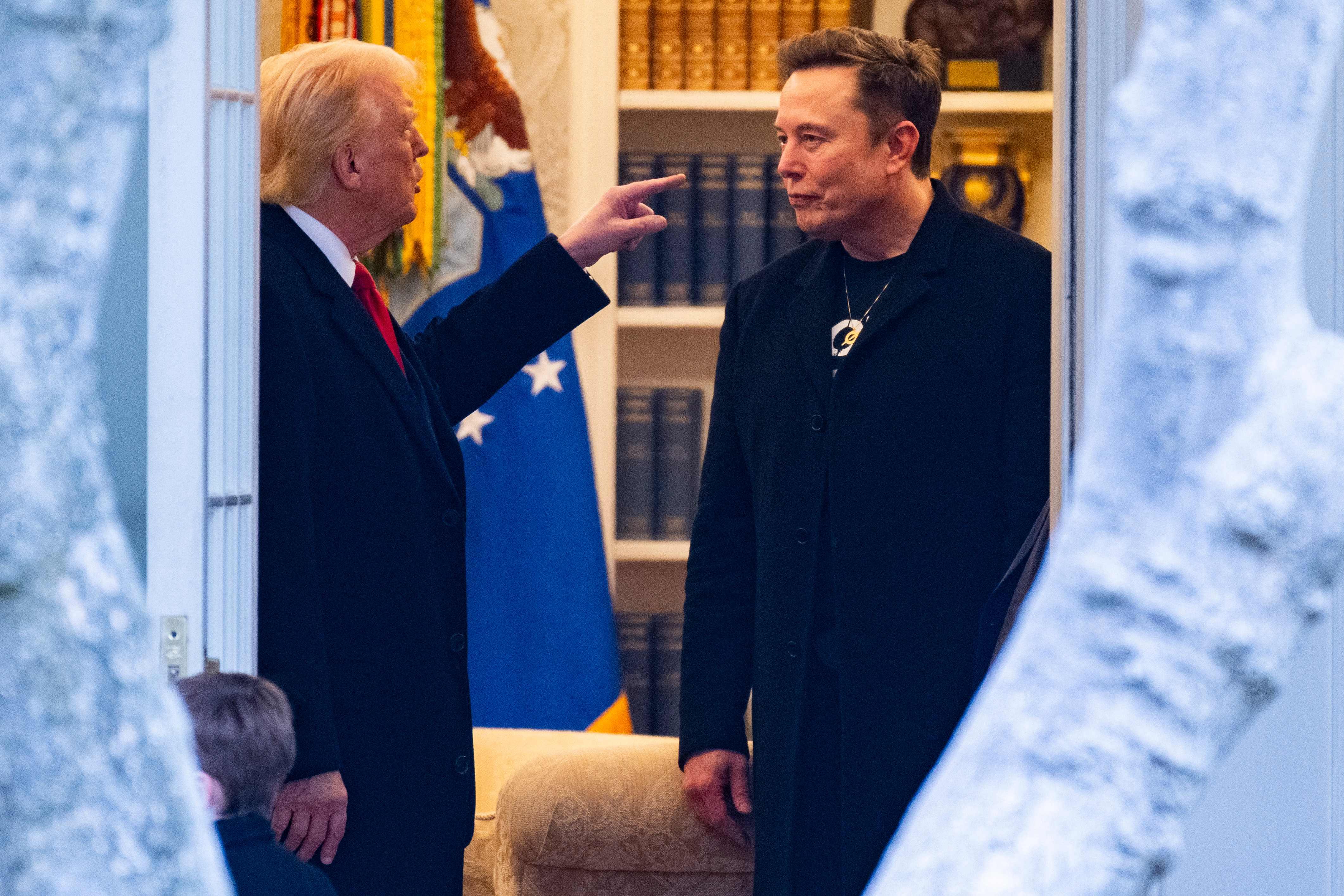
The scale of Musk’s financial intervention goes beyond direct support for the president-elect. Filings identify him as the anonymous benefactor behind the RBG PAC, which funneled $20.5 million into an effort to rebrand Trump’s stance on abortion. By invoking the late Justice Ruth Bader Ginsburg, the PAC attempted to frame the Republican candidate as a moderate on reproductive rights—a sharp contrast to the 6-3 conservative supermajority on the Supreme Court that ultimately overturned Roe v. Wade.
This level of spending, which eclipsed the $197 million contribution from fellow billionaire Timothy Mellon, has reignited intense debate over campaign finance and wealth inequality. Critics point out that while Musk’s personal fortune surged following the election, he has previously paid zero in federal income taxes. Activists and lawmakers, including Senator Sheldon Whitehouse, argue that such concentrated financial power allows the ultra-wealthy to effectively purchase influence within the federal government.
Musk is now set to co-lead a commission alongside Vivek Ramaswamy tasked with aggressive deregulation and spending cuts. With a projected cabinet worth at least $10 billion, the incoming administration represents an unprecedented concentration of private wealth in public service. As Republicans push to extend the 2017 tax law that previously ballooned billionaire wealth by over $2 trillion, watchdogs warn that the current system is primed to further enrich those who bankrolled the 2024 victory.


Comments (0)
No comments yet. Be the first!