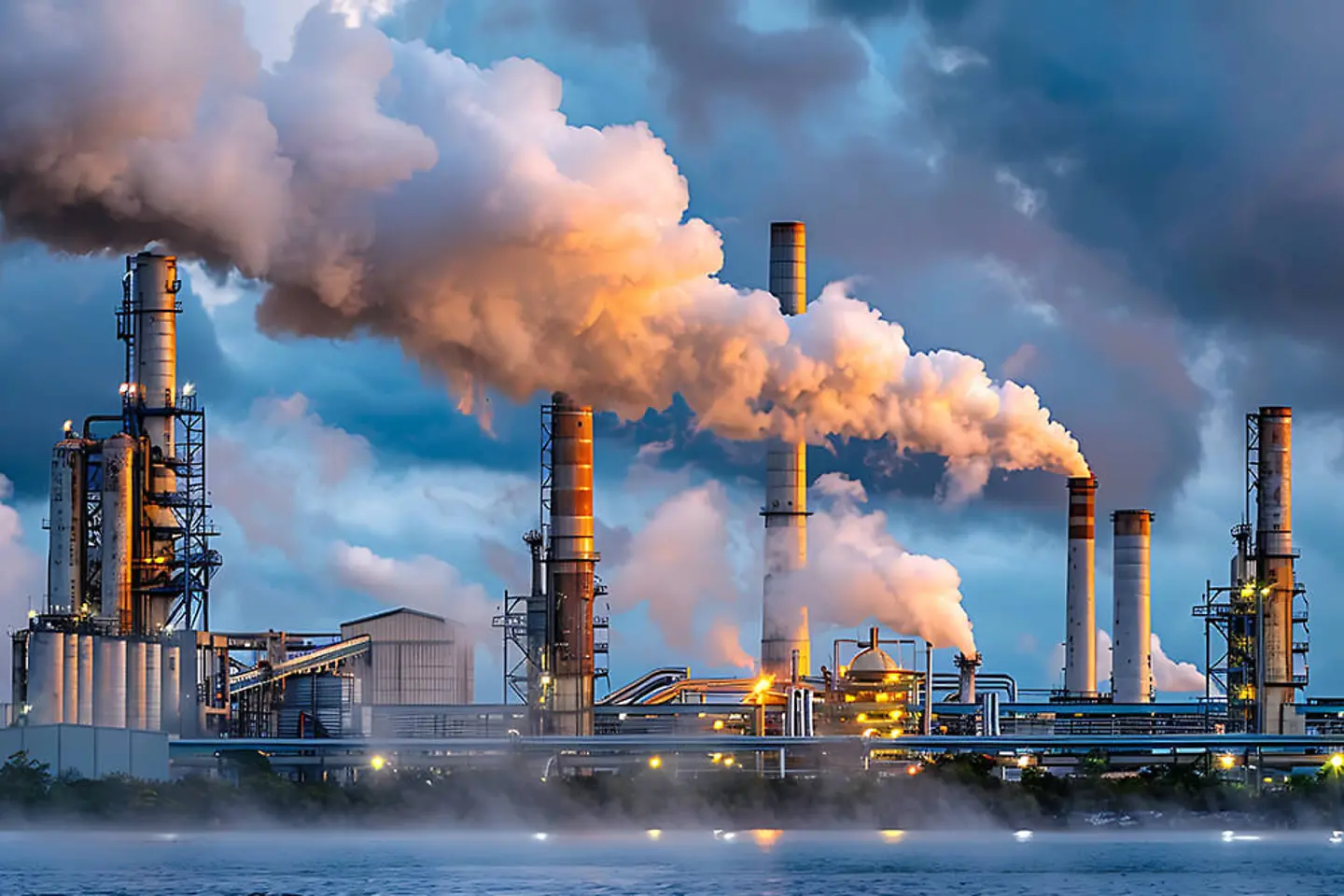
The Emissions Gap Report 2026, titled The Point of Return, marks a grim milestone for global climate policy. UN scientists emphasize that the window to limit warming without a significant overshoot has closed, citing decades of insufficient mitigation. The document warns that every fraction of a degree beyond 1.5°C increases the probability of triggering irreversible environmental damage, including the collapse of ice sheets, shifts in ocean circulation, and widespread permafrost loss.
To manage this transition, the UN calls for a radical shift in energy infrastructure. Achieving a return to the 1.5°C target by the end of the century requires a 69% reduction in greenhouse gas emissions by 2040, relative to 2025 levels. Current national climate pledges, however, are projected to yield only a 11-15% reduction by 2035. Outgoing UN Secretary-General António Guterres described the shortfall as a failure of leadership, urging G20 nations to accelerate the transition away from coal, oil, and gas.
The Path to Potential Recovery
Experts at the Potsdam Institute for Climate Impact Research suggest that global coal electricity generation must be phased out by 2040, alongside a 25% drop in methane emissions by 2035. While the United States has once again withdrawn from the Paris Agreement under the Trump administration, climate advocates argue that the path forward remains grounded in proven, scalable renewable energy deployment rather than unproven technologies. Despite the sobering outlook, UNEP Executive Director Inger Andersen maintains that minimizing the peak of global warming remains possible if nations move beyond current commitments to deliver fast, sustained emissions cuts.


Comments (0)
No comments yet. Be the first!