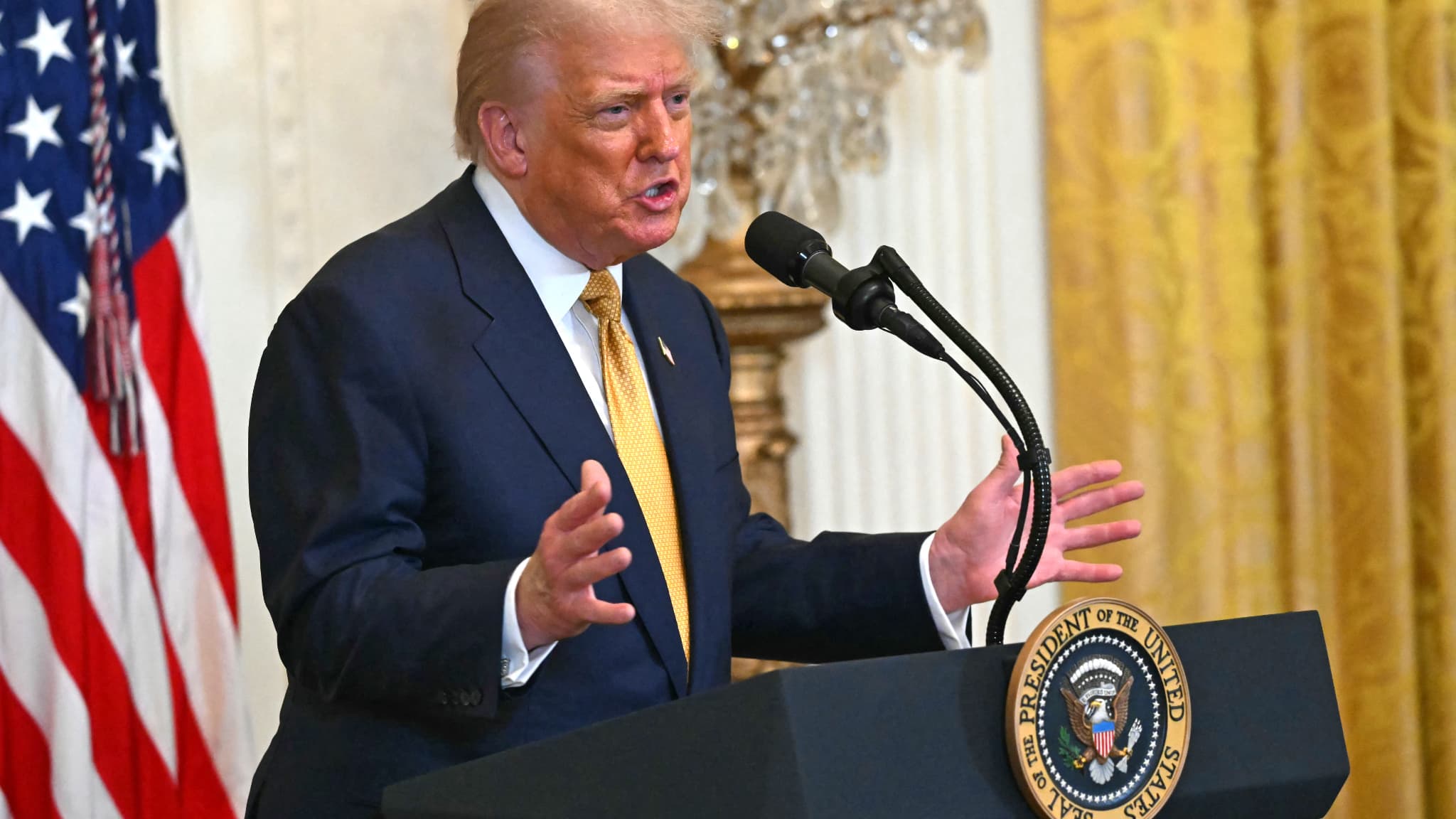
Classified documents cited by The New York Times and The Washington Post reveal a stark disconnect between the White House narrative and internal intelligence. While the administration maintains that Iran’s forces are shattered, agencies report that Tehran has regained access to nearly all its underground missile facilities. Most notably, 30 of 33 missile sites near the Strait of Hormuz are operational, posing a continued threat to U.S. warships and regional oil transit.
Evidence of the administration’s underplayed losses is mounting. Satellite imagery analyzed by the Post identified 228 damaged or destroyed structures at U.S. military sites across the Middle East. NBC News further reported that repair costs for equipment damaged in Iranian strikes are expected to reach into the billions. Despite these findings, Defense Secretary Pete Hegseth has branded media coverage of such intelligence as "unpatriotic," while the Justice Department has moved to subpoena journalists regarding their reporting on the conflict.
Foreign policy experts, including Phil Gordon of the Brookings Institution, characterize the ongoing situation as a strategic failure. As the administration struggles to reconcile its public victory claims with mounting evidence of Iranian resilience, the legal pressure on the press is intensifying. Katie Fallow of the Knight First Amendment Institute described the recent subpoenas as a direct assault on the freedom of the press, noting the administration's pattern of targeting outlets that publish critical information about the war's true trajectory.



Comments (0)
No comments yet. Be the first!